The Best Brand Copy We’ve Seen From the First Half Of 2026
Friends, it is July. Somehow, 2026 made it MORE THAN HALFWAY through the year. And honestly? My gasts are flabbered. It feels as if it were just yesterday that I was clutching my heavy winter coat to my chest and cursing the snow. In hindsight, and now that we’re stuck indoors thanks to the killer combo of a heatwave and wildfire smoke, that snow doesn’t seem half bad. And because the smoke has me stuck inside, what better way to pass the time than by running down the list of the best brand copy I’ve seen in 2026?Ready to dive in? Let’s go.
The Ordinary - Buy the Ingredients, Not the HYpe
Cost denotes quality. Right? I mean, that seems to be the case in fine jewelry and skincare. La Mer, with its highly guarded, proprietary ‘Miracle Broth,’ is often touted as the crème de la crème (no pun intended) and is priced to match. One 2-oz. container sets you back a hefty $390. But what is actually in La Mer that makes it so special? A quick scan of the ingredients reveals common skincare items like shea butter, lime peel extract, seaweed, and yes, its secret broth. So why, if its ingredients are actually quite common, do they command such a high price?
These questions are the driving force behind The Ordinary’s genius brand campaign, The Makeup Marché. Combining social media, website, email, and in-person activations, The Ordinary reminds its audience to “Buy the ingredients, not the hype.” Perhaps most effectively, the brand launched six faux grocery-store pop-ups across six major cities and populated its shelves with rebranded common items that were seriously marked up. A banana became an “all-natural, magical energy-boosting bar” that cost $175.90, and toilet paper wasn’t just toilet paper (can you imagine?!) but a “high-retention cleansing cylinder” that would only set you back $96.20.
This is the type of campaign where you know that the copywriters were just having a good time. Cheeky, concise, and thought-provoking, The Ordinary pokes holes in its competitors' marketing while highlighting the premium quality and affordability of its ingredients. And in my book? That’s a win.
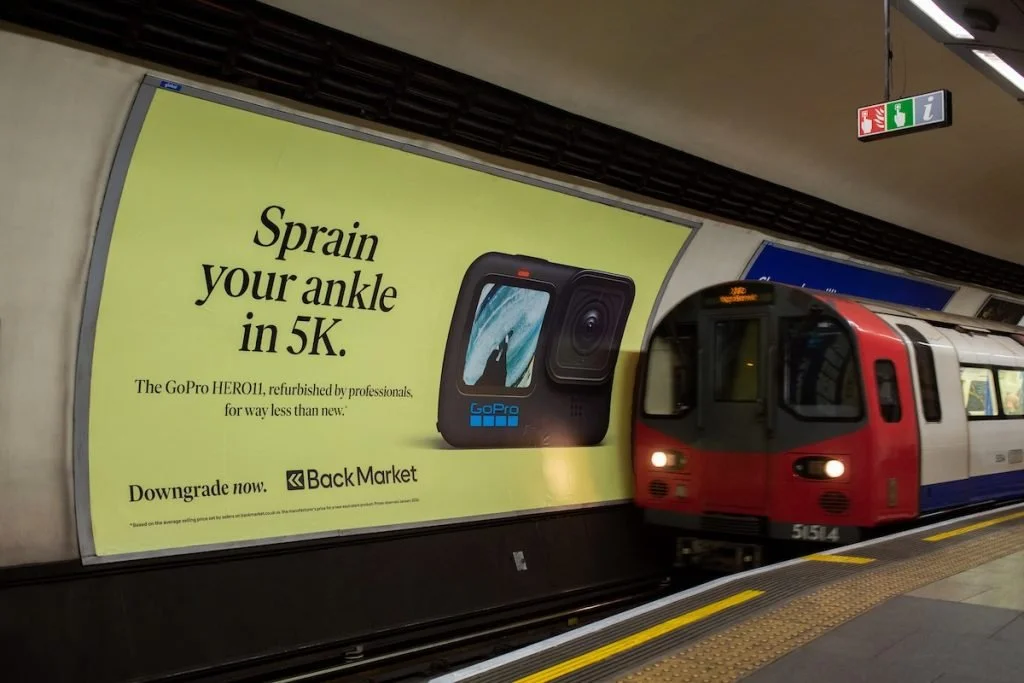
Something about this copy just makes me laugh. I love that it presents the everyday use of a GoPro. That is, capturing your falls. Because we can’t all be professional athletes.
Back market - Downgrade Now
Humans will always human. Back Market, a refurbished tech marketplace, chose not to mince words in its April campaign. With its slogan, “Downgrade now,” Back Market takes aim at the ever-increasing pressure from tech companies to convince consumers to upgrade to the latest and greatest device. Why upgrade, its ads posit, when you can “Sprain Your Ankle in 5K” for “way less than new”? Another ad presents a refurbished PS5, with copy next to it stating, “Your boss can’t ping you here.” By presenting high-quality, refurbished products how they are most commonly used(human foibles and all), Back Market effectively makes the case against spending more.
Duolingo - We’re not mad, we’re just disappointed
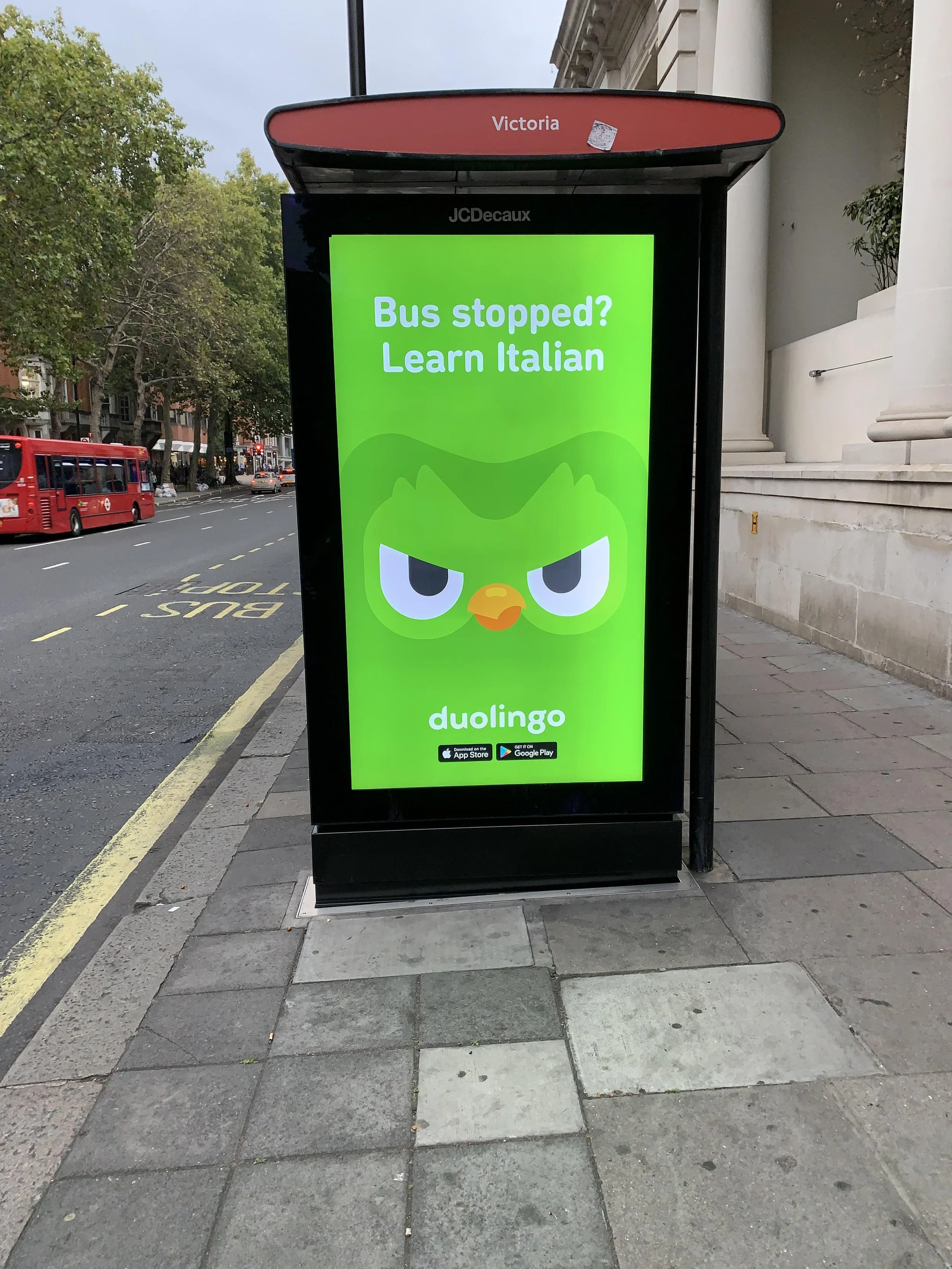
In this case, veiled threats work!
Duolingo has long been the king of slightly aggressive, unhinged marketing (the Duo owl is practically a menacing pop culture icon at this point). But in early 2026, they took their signature guilt-trip out of our push notifications and plastered it onto billboards across major cities. Imagine waiting for a delayed bus and looking up to see a massive green owl staring at you with the copy: “Bus stopped? Learn Italian”
It’s hyper-contextual, slightly invasive, and utterly brilliant. Duolingo knows exactly what their brand voice is, and they aren't afraid to lean into the running joke that their mascot is basically holding your language goals hostage.
It takes a very specific kind of brand confidence to actively scold your user base in public, but Duo pulls it off flawlessly every single time.
Chloé à la Plage - Desire Is Often Quiet
The fashion world is currently obsessed with screaming at us. From hyper-kinetic TikTok edits to neon-drenched Y2K revivals, most brands are begging for a crumb of our shrinking attention spans. But Chloé? Chloé just casually sauntered in, laid down a beach towel, and whispered, relax.
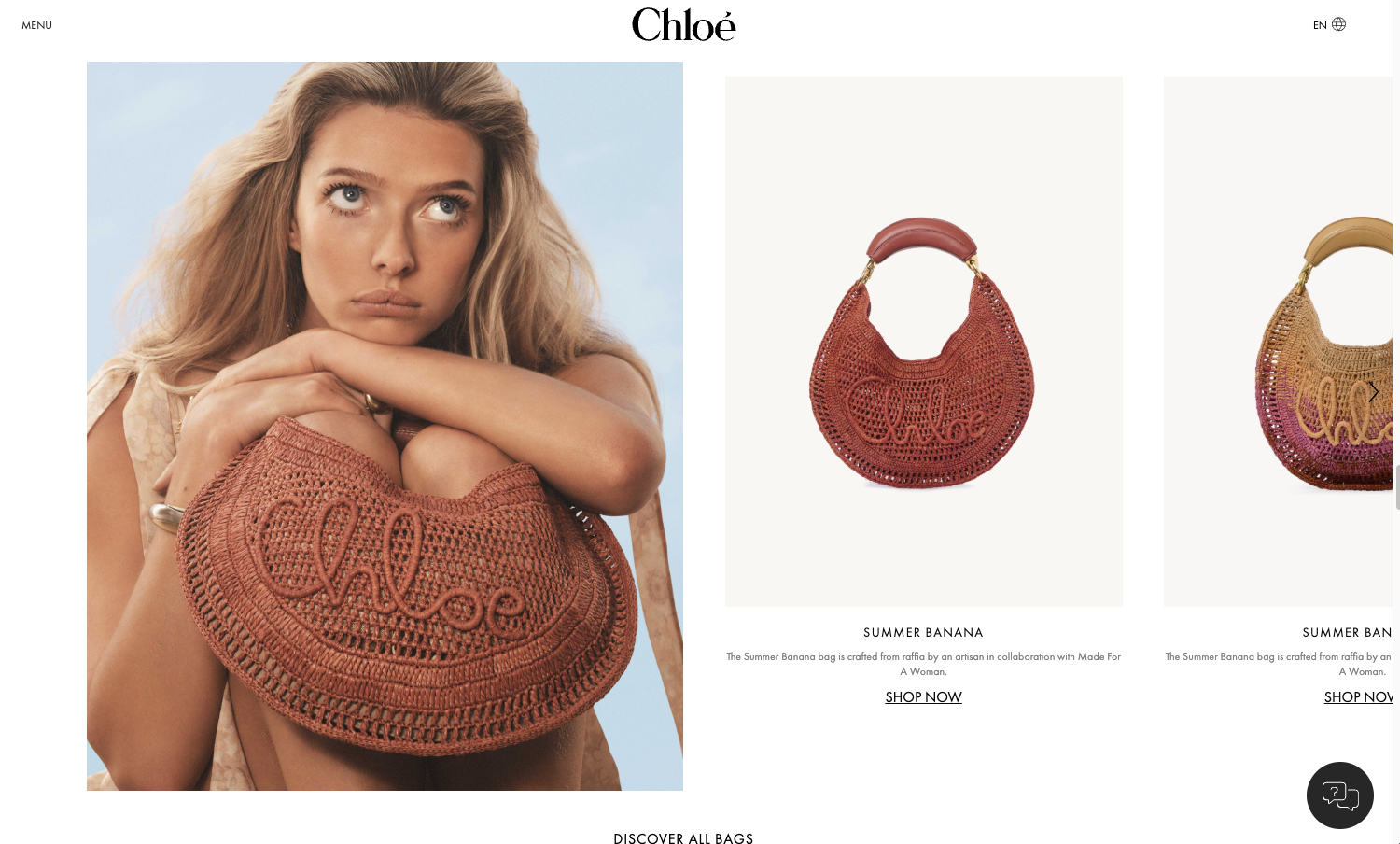
Their summer 2026 campaign, Chloé à la Plage, opens with a line that feels like a heavy exhale: “Chloé à la Plage inspires a sense of seasonal reverie where time slows, light softens, and fleeting moments become stories told as the sun sets.” It’s poetic, atmospheric, and entirely devoid of urgency. They aren't pushing you to "buy now before it sells out" or "be the hottest girl at the pool club." Instead, they are inviting you to buy into a state of mind—one where your wardrobe is "instinctive and personal" and everything simply "echoes the ease of summer," right down to highlighting their ethical craftsmanship (like their raffia bags created in collaboration with Made For A Woman).
My favorite copy? Yours, obvi.
If the first half of 2026 has taught us anything about copywriting, it’s that the era of desperately screaming at the consumer is officially over. The brands that are truly cutting through the noise—whether they’re playfully scolding us on our commutes, exposing industry markups at a faux grocery store, or inviting us into a state of quiet luxury—are the ones trading high-pressure sales tactics for self-awareness, authenticity, and a heavy dose of emotional intelligence. As we brave the rest of this heatwave and head into Q3, I’ll be keeping my eyes peeled for who takes the copy crown next. Stay cool out there, friends, and if your own brand is looking for a voice that actually resonates instead of just adding to the static... well, you know where to find me.