This might be a hot take, but that $1,400 bag you’re selling? Without a cohesive brand identity and adoption of the elements of luxury, it’s just an expensive bag. And believe me, consumers can tell. But what actually is considered luxury and why does it feel so complicated? What’s more: How do you convince consumers that you’re the luxury brand you know, deep in your soul, you are? It’s easier than you might expect. And not. Let me explain…
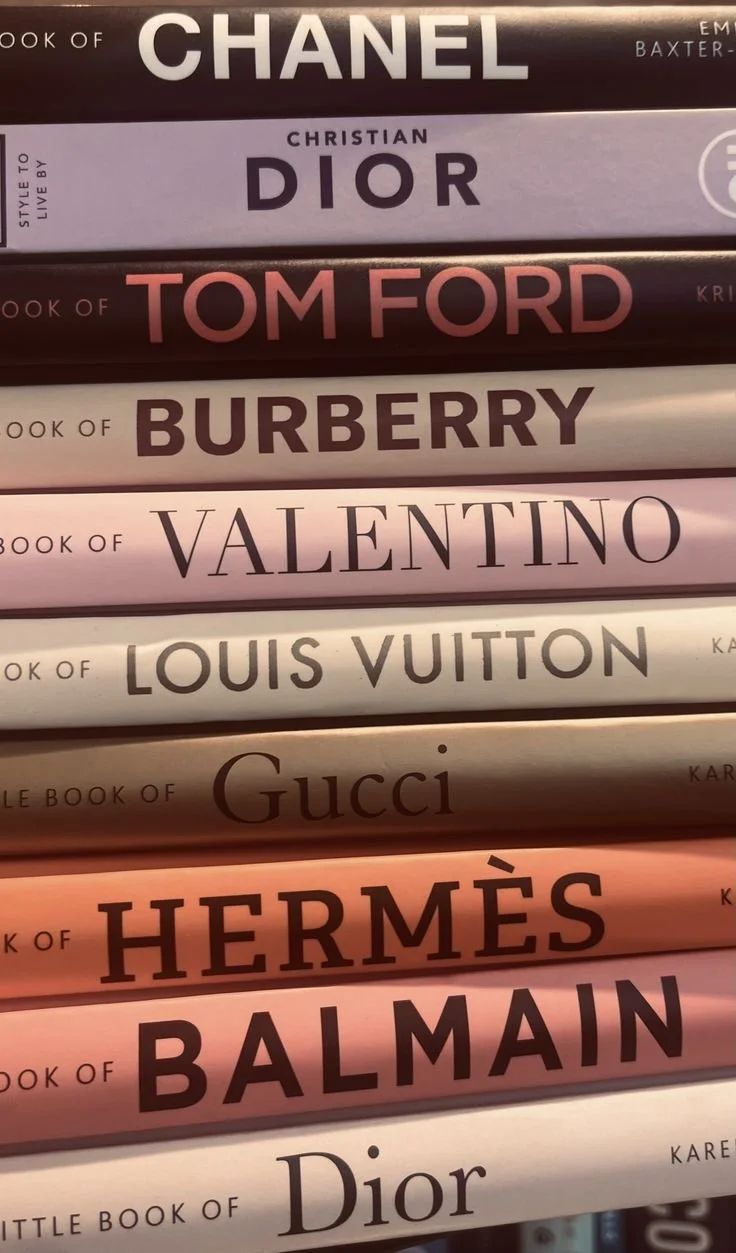
A primer on Luxury
So, I’m currently pursuing certification in retail & branding through LVMH, the French, luxury goods conglomerate that own legit so many luxury brands across their five business sectors. The course is interesting…. a lot of it is about LVMH specifically which is fine, I guess, like go ahead an toot your own horn, but I am actually learning a lot about the specifics of legitimate luxury in the luxury industry.
Because here’s the thing, believe it or not, just because something is expensive or a luxury item, doesn’t mean it is considered luxury. Anne Michaut, marketing professor at HEC Paris, explains the characteristics of luxury as a set of seven essential elements that define the retailers experience:
Quality
Sure, this ones a kind of “duh” moment, but if you’re thinking that this applies only to the quality of the good being offered, you’re thinking too narrow. Here, quality reflects an uncompromising commitment to excellence across all channels: both objective and experiential. From the material selection to the skill of the artisans creating the product (most usually who utilize multi-generational knowledge that comes from decades in the industry), superior quality is both present in every step of craftsmanship and continually refined as technologies and consumption needs change.
Scarcity
Honestly, this is where I’ve always had a gripe with luxury. Why does the scarcity of an object or good determine its value? And yes, I know the answer is capitalism. I suppose my big beef comes into play when brands drum up false scarcity through market control - DeBeers, I’m looking at you.
Anyway, today luxury has been democratized to an extent, and as a result has needed to become more sophisticated. Let’s go back to DeBeers for a minute. See, they created a scarcity by controlling a large majority of diamond mining. Despite once being considered the rarest thing on earth, it is now easier than ever to get your hands on a diamond. Thank you science. And now that that sense of scarcity is gone the diamond industry is essentially is a free fall. So how does a brand develop this scarcity? Limited drops, exclusive collabs, and in—person, exclusive events to create rare products and memorable moments.
Experience
Speaking of events and moments, let’s talk about experience - the third element of luxury. Thanks to the same drivers upending scarcity values in the past few decades, luxury brands have also found it important to develop full-bodied brand experience that allow consumers to form a deep emotional connection rooted in action. Because, anyone can have a website. And anyone can sell clothes from a store.
What does this look like for a true luxury brand? Personalized communications, exclusive, in-store activations and events, and after-sale services, to name a few. Here, every consumer touchpoint builds anticipation and connection for that consumer creating an intimate experience that cannot be replicated elsewhere.
Brand Signatures
Sure, this is that signature logo you see splayed across bags at the airport that you might think is tacky. But think about it this way: in fact, that logo is telling you exactly what the brand is, it’s immediately recognizable, essentially proprietary, and is meant for only customers who also see and appreciate this expression of brand identity. In essence, brand signatures play to a smaller minority of consumers willing to pay a premium for a product that both aligns and reflects their values.
Controlled Distribution
This ones line-in-line with scarcity. Ultimately, controlled distribution allows luxury brands control over how, why, and where, their product is being delivered. Sure, there are knock-offs, but there can only be knock-offs because the distribution of product is so strict.
Personalization
Personalization isn’t just personalizing a product to align with a consumer, it’s inviting the consumer to see a luxury brand as a fully-fleshed identity. For example, an artisan who has spent 40 years crafting handbags shares the process and invites the consumer to experience their joy of craft and surety of work to justify its exceptional value. Personalization is intimate, focused, and continuous, with brands engaging consumers through multiple touch points, even far after a product is purchased.
Price
Bet you didn’t see this one coming, huh? But look, here, price is not just based on the monetary value of a product. The total price of a luxury brand is the culmination of all of these elements, both tangible and intangible. Luxury products are priced according to their emotional and symbolic value that allow consumers to buy into the emotional and physical values of a brand. Sure, you can sell $500 “luxury” candles, but if you haven’t put in the time, craftsmanship, and branding, you’re not actually selling a luxury item, just a damn expensive candle.
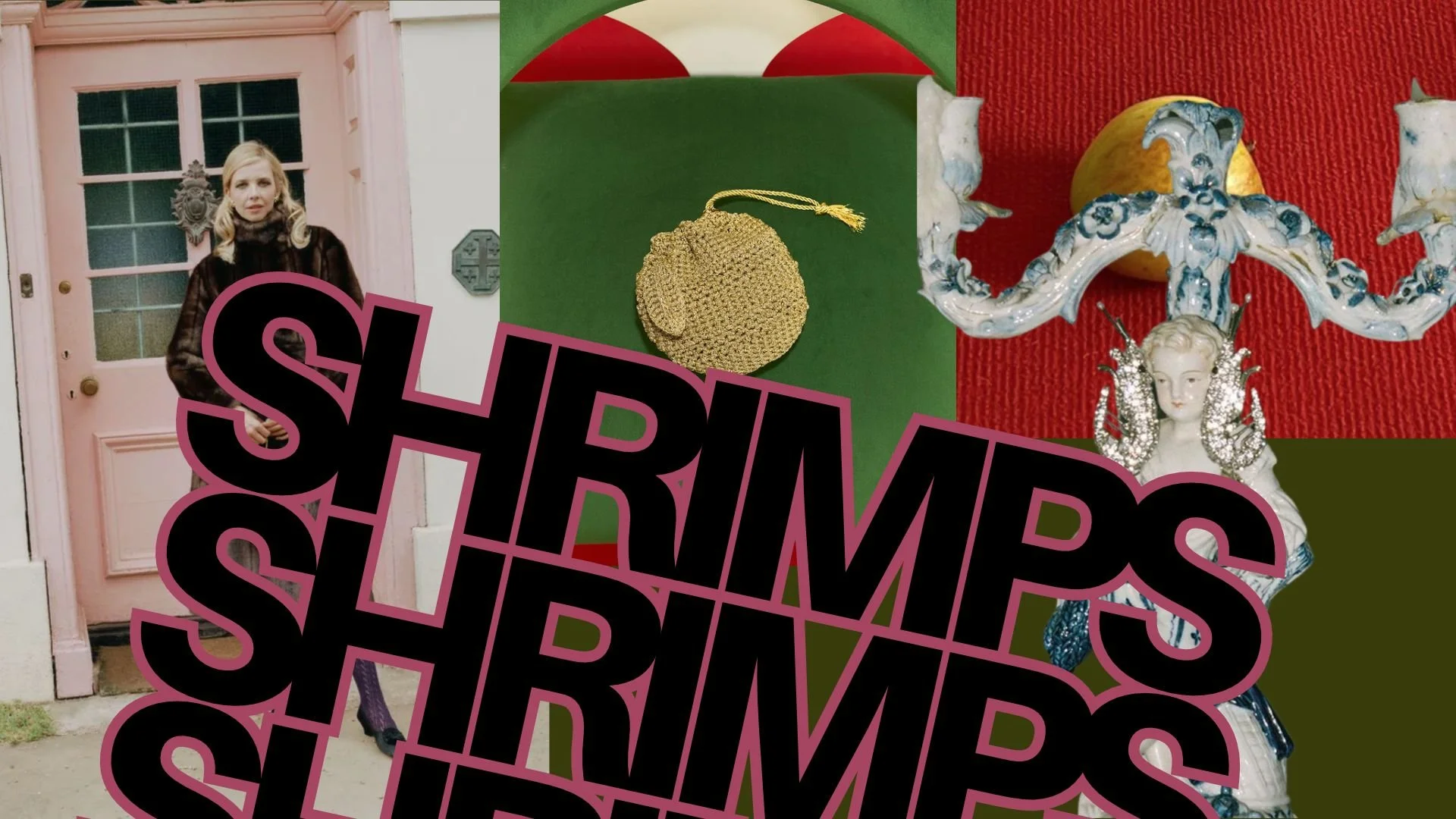
So If I don’t employ those 7 elements I’m not ‘luxury’?
Honestly, not necessarily. But I also think that those elements are distinguishing factors between maisons and luxury. There’s also a difference between luxury goods and luxury brands. A diamond is a luxury good but not all places selling them are luxury brands. The key thing here is understand your own limits and to not pretend to be something you’re not. Let’s take one of my favorite brands Shrimps, for example. Founded in 2013, by Hannah Weiland, Shrimps in a British fashion brand that draws inspiration from “the witticisms of modern art and a playful engagement with pattern and texture” and offers ready-to-wear knitwear, baby wear, outerwear, kid wear, accessories and more. But as a new player to the luxury industry…is the brand actually considered luxury? To find out, let’s go through each of those elements and see how it stacks up:
Shrimps and Quality
From their website: “We believe in building lasting relationship with the artisans and craftspeople behind our collections. Many of our suppliers have been with us for years and their skill and dedication is reflected in every piece we make. […] We also collaborate with London-based artisans for both sampling and production, supporting independent businesses in our community […] Our beaded accessories are made by hand in India at a factory with which we have worked closely to develop technical innovations while preserving traditional techniques.” Then, under Material Innovation & Tradition, “We are thoughtful about the materials we choose, selecting fibres that are kind to both people and the planet.”
Turning A Fashion Don’t Into a Fashion Do
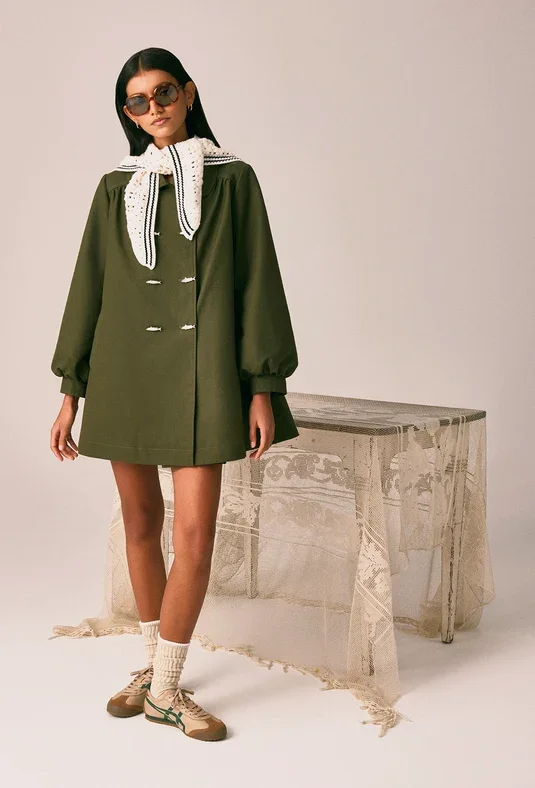
If anyone would like to buy me a holiday present. I would very much appreciate the Hector Trench Coat from their Spring/Summer season, thanks.
Despite the fact that they utilize synthetic materials, like polyester, which are not often equated to quality clothing, I’m going to go ahead and check the box on the quality element. Why? Because quality is more than exceptional material - though that does play an important role. Remember that it is also quality of craftsmanship - and their copy reflects this with word choices like “artisans” and “craftspeople” while mentioning the years long skill and dedication of their craftspeople to Shrimps. Indian factory workers are not just hand making their beaded accessories, they’re doing so with traditional techniques and technical innovations. This verbiage is intentional, it says, “We’re not only committed to time-trusted techniques, we’re pushing the mold, melding tradition with innovation to improve the handcrafted nature of beadwork.”
And about that polyester? It’s past-season, surplus stock, used to minimise waste or if bought new, incorporated with recycled fibers to lower the environmental impact of its production. At Shrimps, every detail and its subsequent environmental impact is considered. It is this intention and focus that plays directly into the quality element. And it is this type of quality that justifies their place in the luxury market, showing that thoughtful design and intention are just as important as the raw materials used.
Did I know about the brand Daisy before their collab with Shrimps? No. Do I now want to purchase this sweet little Shrimps x Daisy Tooth Locket Charm to pretend I’m Rosalia wearing her girlfriends wisdom tooth? Yes.
Shrimps and Scarcity
In their own words, “We produce two collections a year; Spring/Summer and Autumn/Winter, dropping in small capsules throughout the season. By making only what we know we can sell, every piece remains intentionally limited and gains value over time. “ Ok so this actually highlights one of the things I think Shrimps does quite brilliantly. That is, they build language of intentionality and meaning into their brand. Too often, success is equated with excess. An excess inventory. Excess wealth. More clothes. More opportunities to sell. Less chance of failure.
Shrimps eschews this more is more mentality. In limiting their production to two collections and dropping said collections in small capsules, they develop genuine scarcity that is motivated by quality rather than artificial hype. This anti-mass-production stance not only aligns with modern sustainability values (a major pull for luxury consumers) but also ensures rarity in product. The implication? Their scarcity in product is born from respect for the craft over lining their pockets with excess cash.
Shrimps also loves a good collab. Heck, they have an entire page dedicated to their past and present collaborations. As we discussed before, exclusive brand collaborations are another avenue to generating scarcity. Limited runs with beloved brands generate an authentic sense of urgency while expanding reach to include audiences of brands already aligned with yours. It’s a win-win.
Shrimps and experience
Here’s where I think Shrimps begins to lag: It’s not that they don’t offer an elevated online shopping experience, it’s just that, in my research, I haven’t found much that points to Shrimps offering elevated experiences that go above and beyond the usual add-to-cart experience. Yes, they offer try-at-home services where consumers can have clothing delivered to them to try on from the comfort of their home, but that is really only limited to consumers living in London. Other than that, most of the brand experiences I’ve found are limited to pop-up or trunk sales, which is much more in-line with high-end products instead of luxury brands.
Part of this is because Shrimps actually does not have a storefront. So there really isn’t an opportunity to connect one-on-one with consumers outside of chatbots or their try-at-home options. This is a major miss on Shrimps front. A physical location allows for immersive, personalized activations - events that, many luxury houses rely on. With only an online presence, the customer journey feels somewhat transactional, falling short of a true luxury mark in this element.
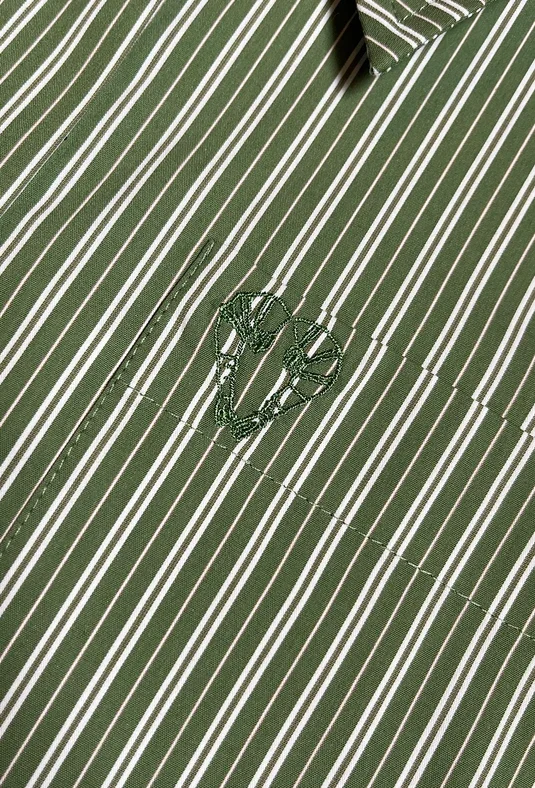
Apparently, they have a Shrimps heart logo that features two shrimp in a heart shape. While very cute, it appears inconsistently in their clothes.
Shrimps and Brand Signatures
A true brand signature is about immediate recognition for the people who know. And for Shrimps, their signature isn’t the typical interlocking emblem plastered across a bag; it’s an entire whimsical visual language. And this is brilliant for their intended consumer base who desires that quiet, eccentric luxury. But here’s the thing. Shrimps isn’t really quite well-known enough to operate without a traditional, outward brand signature. They just don’t have the decades of global recognition that a legacy brand relies on.
So let’s say they pivot and push an aggressive, outward signature. Because they want to build that mainstream recognition, of course. But what would happen? It would come across immediately as too try-hard. And being a try-hard is the easiest way to cheapen your brand. And so, they’re walking quite the thin line between establishing a cohesive signature to solidy their luxury status to a broader audience while also not leaning into it too fast or too hard. It’s not an easy thing to do, but so far they’ve managed it wonderfully. And while they may miss out on this element of luxury, it reads more as a rejection of outward, uniform, signature - something totally aligned with their brand.
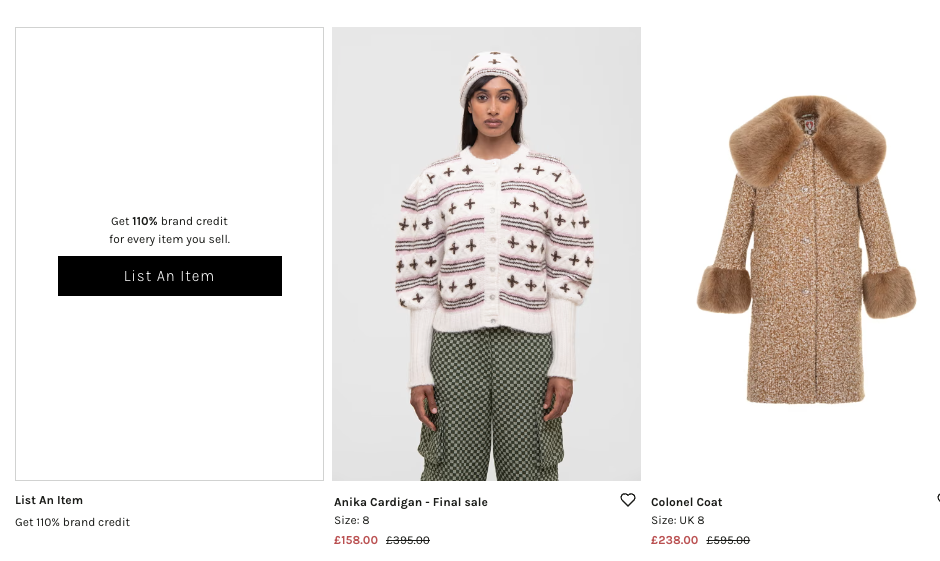
While only available to consumers in the UK, Shrimps offers a pretty hefty store credit to consumers looking to sell and a pretty compelling discount for those looking to buy.
Shrimps and Controlled Distribution
Don’t worry, we’re back on track. Because this is an element I think Shrimps does exceptionally well. Rather than flooding the market by partnering with every department store that comes knocking, they keep their stockists curated. It hearkens back to the whole exclusivity element too. You can only find them on their own site, their brand collab sites, or on carefully edited retail of high-end stores. It drives scarcity, yes, but it also protects their brand cachet.
What’s more, they also seek to control the resale of Shrimps on their own terms. Their Pre-Loved program offers previously, well - loved, Shrimps pieces for a more affordable price while their collaboration with Hurr, the UKs leading circular fashion rental program allows consumers to rent their product. Both of these formats are genius. They allow Shrimps to maintain strict control over how their items circulated and verified. It keeps their consumer firmly within their ecosystem rather than a third-party site, democratizing brand access while keeping an iron grip on its distro and life-cycle.
Shrimps and Personalization
Personalization in tied into experience here…they kind of go hand in hand. If the element of experience related to a full-bodied connection to a brand than personalization is the element that helps strengthen or endear that brand to its consumers. And here, Shrimps kind of misses the mark again. They just lack that one-on-one VIP clienteling that defines luxury. However, they do offer one highly specific touchpoint: a post-purchase repairs and alterations service. They actively match buyers with a tailor to extend the life of their garments, which perfectly reinforces their anti-waste, quality-first messaging. But because this service isn't complimentary, it stops just short of true luxury personalization. It’s a highly practical, eco-conscious service, but it lacks that effortless, 'we’ll take care of everything for you' magic that makes luxury consumers feel truly catered to.
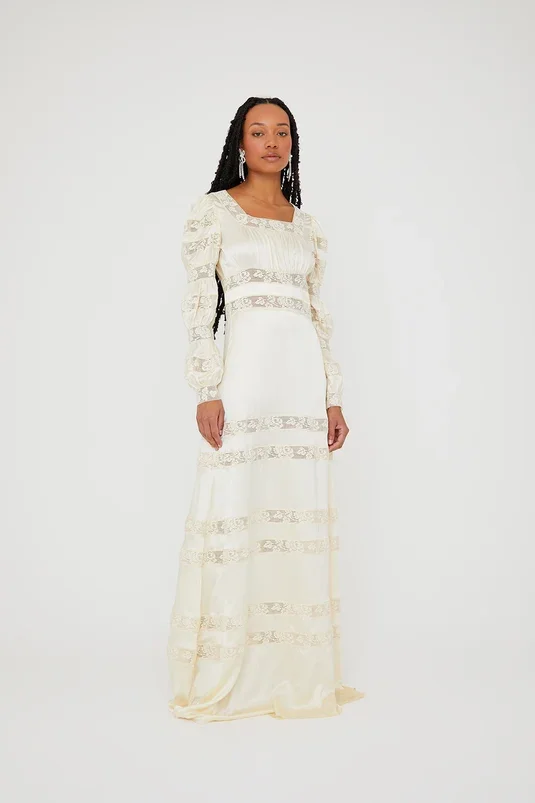
She’s giving 70s luxury in the best way possible.
Shrimps and Price
Maybe I’ve been working in luxury for too long but I actually feel that Shrimps products are quite affordable, all things considered. Currently, their most expensive item listed for sale on their website is their Marie Dress, which is part of a newly released bridal collection and retails for $1,550. The dress is made from 100% silk and contains a cotton trim. Yes, it seems pricy on first glance, but consider that traditional bridal salons often offer a dress of similar design and composition for 2x more. Now, does this price include the premium of craftsmanship typical to luxury brands? Personally, I think yes. In fact, I think that they could actually get away with raising their prices a tad. Now, is their price in line with luxury brands? That I don’t think so. While their more affordable prices build incredible trust and loyalty with their community, it inherently lacks the exclusionary financial barrier that defines top-tier luxury.
So, Is Shrimps Actually Selling Luxury?
If I’m holding them to the rigid, traditional standards of heritage maisons? No. But that doesn’t mean they’re falling short. Just that they’re playing a different game - one referred as accessible luxury. A tier of retail market that bridges the gap between premium street fashion and exclusive legacy houses, accessible luxury picks and chooses which of the core tenants of true luxury it wants to deliver on. And Shrimps does this perfectly, holding firm on elements that matter most to the modern, conscious, consumer while rejecting elements that don’t serve their ethos.
It’s a welcome shift. Shrimps (and accessible luxury) in general don’t need to untouchable to be successful. They just need to be uncompromising and intentional in their values and craft. When you consider your own luxury brand, don’t panic if you don’t check all seven of the elements of luxury. The key here is awareness. Know where your brand and its strengths rest. Don’t try to be something you’re not. By leaning exclusively into the elements that matter to you, you create an uncompromising identity that speaks for itself.